logo
Guangzhou Longchuang Intelligent Packing Equipments Co., Ltd
私達について
あなたの専門及び信頼できるパートナー。
についてロングチュアン広州ロングチュアン インテリジェント・エクアピメント株式会社(以下"ロングチュアン"と呼ばれます) 世界3位の都市で 世界27位の都市です: 広州 発展した経済システムと便利な交通システム (飛行機,高速鉄道,列車,都市鉄道,地下鉄,大きな海港など)食品の製造と加工企業に インテリジェントの生産ライン機器とインテリジェントのパッケージングライン機器を提供することが我々の責任であると Longchuangは信じています薬日常用化学物質,おもちゃ,電子機器,ハードウェアアクセサリー,家具アクセサリー,その他の産業.グローバルに運営する企業は,より多くの小さなニーズを満たすことができる世界中から来ています.包装機には 自動補給の機能があり 自動カウント 計量 定量化 自動密封 自動袋切断完成品の自動輸送製品を保護する多機能自動包装機械機器とも呼ばれます. 付加価値の役割."地球は1つの家族"というコンセプトに従っており,市場需要と消費者の好みを深く研究し,プロフェッショナルで高品質な機器を提供しています.1年間の製品保証を実施します顧客に人材と設備の訓練,技術コンサルテ...
もっと 学ぶ

0

設立 年

0

百万+
従業員

0

百万+
年間売上
中国 Guangzhou Longchuang Intelligent Packing Equipments Co., Ltd 高品質
信頼証券 信用チェック RoSH サプライヤーの能力評価 企業には厳格な品質管理システムと 専門的なテストラボがあります
中国 Guangzhou Longchuang Intelligent Packing Equipments Co., Ltd 開発
専門的な設計チームと 先進的な機械のワークショップ 必要な製品を開発するために協力することができます.
中国 Guangzhou Longchuang Intelligent Packing Equipments Co., Ltd 製造業
先進的な自動機械 厳格なプロセス制御システム 電気端末を全て 製造できます
中国 Guangzhou Longchuang Intelligent Packing Equipments Co., Ltd 100%のサービス
卸売品と小型のパッケージは FOB,CIF,DDU,DDPです 心配事項の最善の解決策を 見つけられるようにしましょう.

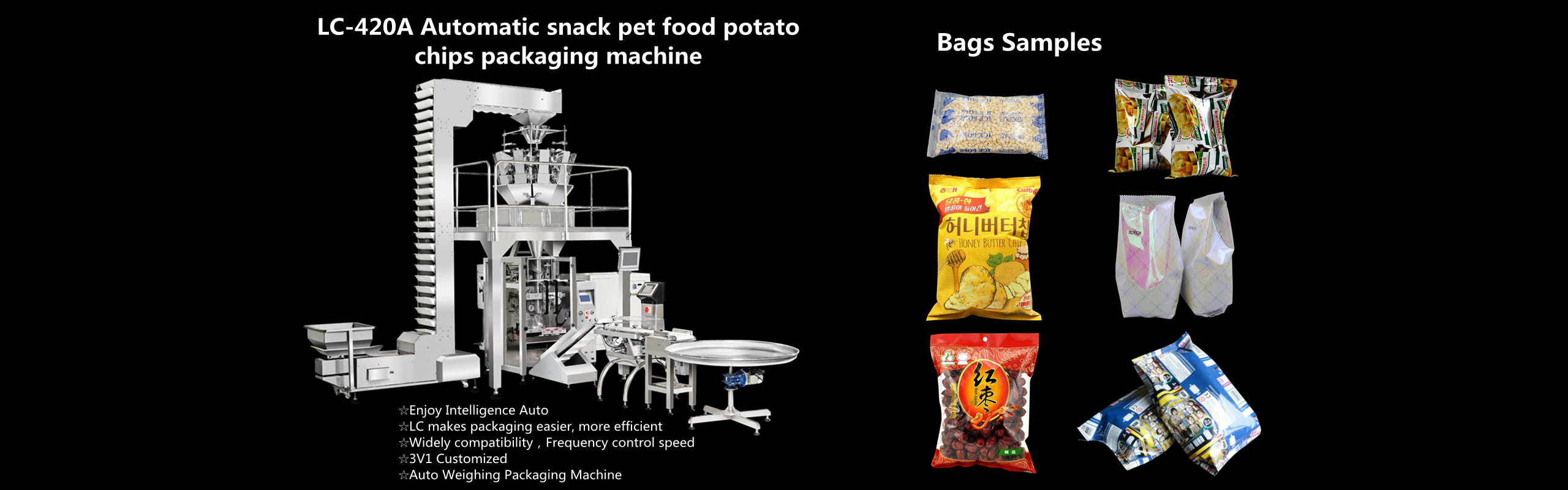
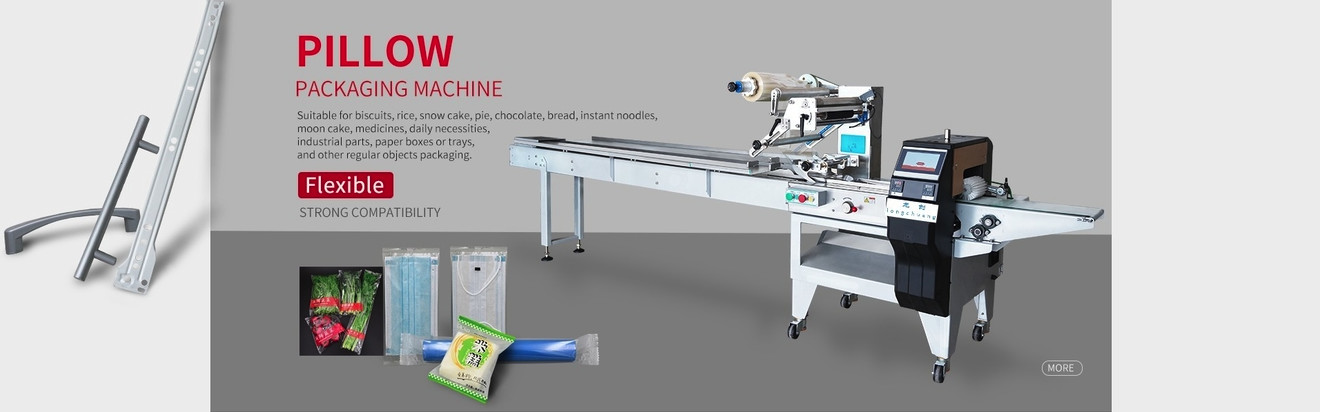
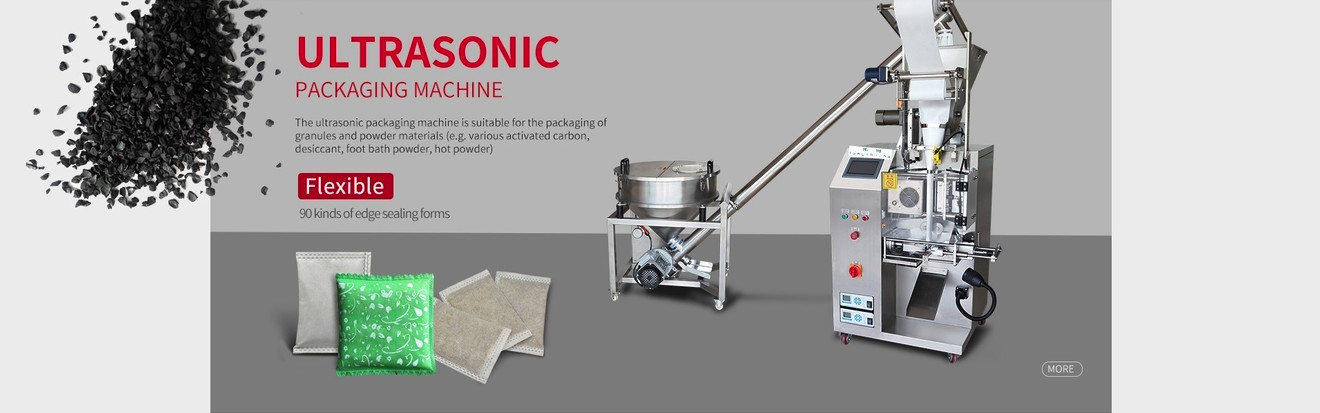
品質 Doypackの包装機械 & VFFSの包装機械 メーカー

あなたの条件を満たすためによくするプロダクトを見つけなさい。
場合及びニュース
最も最近のホット スポット。
スタンドアップ式の袋の自動包装機械
1. 適用: 食糧の液体、クリーム、のり材料、シャンプー、ボディ泡、顔のクリーム、オイル、ソース、ジュース、BBQソース、バーベキュー ソース、ヨーグルト、豆乳、フルーツ ジュース、ゼリー、グリース、構造、pestiside、肥料、群葉のferitilizer、乾燥オイル、菜種油、クルミ オイル、唐辛子ソース、ケチャップのような薬、毎日の使用された化学薬品、農場の化学薬品、プラスチック プロダクト、等の自動包装のために適した等。   2. 技術的な変数: 主要な機械変数 LC-160Y LC-210Y LC-260Y 速度 10-50bags/min 10-50bags/min 10-40bags/min 袋作りのサイズ (L) 100-250mm* (W) 60-160mm (L) 100-320mm* (W) 100-210mm (L) 110-350mm* (W) 100-260mm 袋作りのタイプ 自己-永続的な袋、自己-地位のジッパー袋、自己-底を付けられた袋、-吸引の自己-地位袋、等の密封袋、ジッパー袋、 満ちる範囲 80-800ml 100-1200ml 300-2000ml 最高袋の幅 160mm 210mm 260mm 袋の開いた方法 80-800ml 100-1200ml 300-2000ml 空気consumtion 0.3mの³ /min 0.4mの³/min 0.4mの³/min 密封の温度 100-190℃ 力 380V三相50/60Hz 380V三相50/60Hz 380V三相50/60Hz 機械サイズ L1700*W1050*H1100mm L2150*W1350*H1300mm L2450*W1200*1200mm 機械重量 500kg 700kg 800kg 注目 customedでき顧客の要求を一致する  
3つのサーボ モーターはパッキング機械を置く
技術的な変数: フィルムの幅   ≤320mm、≤350mm、≤430mm   フィルムのボビンの厚さ   25-80um   フィルムのボビンの次元   外diameter≤300mm、内部diameter≤75mm   単一のナイフ袋のサイズ   L (50-6000) * W (50-140) * H (3-60) mm   単一のナイフの包装の速度   10-100の袋/分   二重ナイフ袋のサイズ   L (50-200) * W (50-140) * H (3-55) mm   二重ナイフの包装の速度   20-200の袋/分   粉の条件   220V、50Hz、3KW   機械サイズ   L3900* W850* H1500mm   機械重量   600kg   モーター構成   二重サーボ完全なservo   フィルムのbogginの位置   上部   刃の切口のタイプ   回転式         技術特性: 機械の主要部分は食糧QSおよび薬GMPの衛生学の標準に合うステンレス鋼の構造である。 人間化され、intellectualized変数設定機能は普通の人々が巧みに近いうちに使用すること、作動すること、および維持することができるようにそれをもっと簡単にする。 包装プロダクトを変えた場合、時間およびフィルムを救いなさい。それは10の包まれたプロダクトの変数を貯え直接切換えによって、調節の過程において物質的な損失を減らす再調整しないで普通製造することができる。 温度調整をより安定したようにし、直接タッチ画面の変数を調節する理性的な温度調整モジュールは採用される。 切断速度の調節なしで、自動的に追跡し、合わせるのにサーボ動きのコントローラーが使用されている。 包装プロダクトの物質的な位置のパラメーター付き設定は包装の位置の手動機械調節を要求しない。 成長したサーボ機構の技術、積み過ぎの保護、漏出保護、欠陥警報および他の安全装置と、包装機械の安全そして耐用年数を保護するため。 三軸の送電の構造は機械伝達構造を簡単にし、制御をデジタル化する。それに低炭素が第二世代の包装機械より省エネおよび環境保護あり。 三軸の包装機械に強力な拡張機能がある。よいがである能力および両立性をあり、自動生産ラインを形作ることは容易生産ラインのような他の機械設備にマッチさせる。
Building a Complete Intelligent Packaging Line for a Growing Food Factory
Customer Background A growing food manufacturer had already achieved stable product production but faced a new challenge: packaging capacity could no longer keep up with manufacturing capacity. The factory had several independent packaging processes, with operators manually transferring products between different stages. As order volumes increased, the customer realized that purchasing another individual machine would not completely solve the problem. The factory needed a more integrated packaging solution. The Core Challenge The customer wanted to improve the complete packaging workflow rather than simply increase the speed of one machine. The key requirements included: Higher overall production efficiency Less manual material handling Consistent package weight Reliable sealing Easy operation Better production coordination Potential for future automation upgrades Our Approach: System Integration Instead of focusing on a single machine, we analyzed the customer's complete packaging process. The proposed system was structured around: Product Feeding ↓ Automatic Weighing/Dosing ↓ Automatic Bag Packaging ↓ Filling ↓ Sealing ↓ Date Coding ↓ Inspection ↓ Conveying ↓ Finished Product Collection This integrated approach created a smoother production flow. Why Integration Is Important A factory may have several good individual machines but still experience low overall efficiency if these machines are not properly coordinated. For example, if the filling machine operates faster than the bag feeding system, production can still be limited. A complete packaging line needs to balance the performance of each stage. Intelligent Control The packaging line can be managed through centralized control interfaces according to the system configuration. Operators can monitor machine status, adjust production parameters, and respond to alarms more efficiently. This provides a foundation for future digital production management. Flexible Automation The system was designed with future expansion in mind. Depending on production growth, the customer can potentially add: Automatic case packing Palletizing Check weighing Metal detection Vision inspection Labeling Robotic handling This creates a scalable automation strategy. The Business Value of Complete Packaging Automation For growing manufacturers, the value of automation is not simply measured by machine speed. A successful packaging line should help improve: Productivity + Consistency + Labor Efficiency + Production Management + Scalability By integrating multiple packaging processes, manufacturers can create a more reliable foundation for long-term production growth. Conclusion The transition from individual packaging machines to complete intelligent packaging lines is becoming an important trend in modern manufacturing. For factories planning capacity expansion, the right approach is to evaluate the entire production process and identify where automation can create the greatest return. Planning a complete automated packaging line? Contact our team with your product information, bag type, package weight, target output, and current production process. We can help you develop a practical packaging automation solution.

2026

09/14

Semi-Automatic Powder Filling Solution for an African Manufacturer
Semi-Automatic Powder Filling Solution for an African Manufacturer Customer Background A powder product manufacturer in Africa was looking for a reliable filling solution for its growing production business. The factory had a relatively moderate production volume and did not require a fully automated packaging line at the initial stage. However, manual powder filling was becoming increasingly difficult to manage. The Customer's Challenges The company was experiencing: Inconsistent filling weights High operator workload Powder dust during filling Slow packaging operations Difficulty maintaining consistent production The customer needed a practical machine that could improve filling accuracy without requiring a large-scale automation investment. Why Semi-Automatic Packaging? After discussing the customer's production volume and investment plan, a bag-clamping semi-automatic powder filling machine was considered a suitable solution. Unlike a fully automatic line, the operator still participates in bag placement. The machine then completes the controlled powder dosing process. This approach provides a balance between: Automation + Flexibility + Investment Efficiency Application Range The solution can be considered for many dry powder products, including: Flour Spice powder Seasoning Milk powder Cocoa powder Chemical powder Agricultural powder products The actual configuration should be selected according to the product's flowability, bulk density, particle characteristics, and filling range. How the Machine Works The operator places the bag into the filling position. The bag-clamping mechanism holds the bag securely. The dosing system then delivers the programmed amount of powder. After filling, the bag can be transferred to the subsequent sealing or packaging process. Why This Solution Worked The customer did not need to invest immediately in a complete automated production line. Instead, the semi-automatic machine allowed the factory to improve one of the most important production bottlenecks: powder filling. Main Benefits Better filling consistency Controlled dosing can help reduce variation between packages. Lower operator workload The machine performs the repetitive filling process. Flexible production Operators can handle different bag sizes and product specifications according to the machine configuration. Lower initial investment A semi-automatic system can be a practical starting point for small and medium-sized manufacturers. Building Toward Future Automation As production grows, the manufacturer can consider adding: Automatic bag feeding Automatic sealing Check weighing Conveying Metal detection Automatic labeling This creates a gradual path from semi-automatic packaging toward a complete automated packaging line. Need a powder filling machine for your factory? Tell us your powder type, bag size, filling weight, and expected output, and we can recommend the appropriate solution.

2026

09/14

Case Study: Premade Pouch Packaging Machine for a Pet Food Manufacturer
Customer Background A pet food manufacturer was looking for a more efficient way to package dry pet food into premade zipper pouches. The company had already established a stable product manufacturing process, but the final packaging stage still relied heavily on manual bag loading. As production volumes increased, this became a bottleneck. The Customer's Main Challenges The customer's existing process required operators to manually place premade bags into the packaging equipment. This created several problems: High labor dependency Slow bag feeding Inconsistent bag positioning Increased operator workload Limited production scalability The customer wanted to maintain the attractive appearance of premade zipper bags while increasing packaging automation. Our Solution We proposed a premade pouch packaging machine with an automatic bag feeding system. The packaging process was designed around: Bag Feeding → Bag Opening → Product Filling → Zipper/Bag Sealing → Finished Product Conveying The system could be integrated with the customer's existing weighing and feeding equipment according to the product requirements. Automatic Zipper Bag Feeding One of the key requirements was reliable handling of zipper pouches. A dedicated zipper bag feeder helps automate the repetitive process of picking and positioning premade bags. This is particularly useful for pet food manufacturers because different products may require different pouch sizes and weights. Flexible Packaging The customer wanted to use different pouch sizes for different product specifications. The machine configuration was therefore designed with flexible parameter adjustment and changeover in mind. This allowed the manufacturer to support multiple packaging specifications without relying entirely on manual operations. Results The upgraded packaging process provided several important improvements: Reduced manual bag loading More consistent pouch positioning Improved production workflow Reduced operator workload Better scalability for future orders Why Premade Pouch Automation Matters Premade pouches are increasingly popular in pet food, snacks, nuts, coffee, dried fruit, and other consumer products. However, manual pouch feeding can limit production efficiency. Automating the bag feeding process allows manufacturers to retain the advantages of premade pouch packaging while improving production automation. A Flexible Solution for Growing Manufacturers The best packaging solution is not always the most complex one. For this pet food manufacturer, the key was to automate the biggest bottleneck first: manual pouch feeding. The result was a more efficient packaging workflow with a practical path toward further automation. Looking to automate your premade pouch or zipper bag packaging process? Contact our team with your pouch dimensions, product type, filling weight, and required production speed.

2026

09/14